

Mauritius Travel Guide – Plan Your Trip with Taxi Service Mauritius
Mauritius Island is more than white sandy beaches and turquoise lagoons. It is a colourful mix of cultures, dramatic mountains, lush forests, lively markets and peaceful coastal villages. This Mauritius Travel Guide is designed as a simple, friendly starting point for your trip, and as the main hub linking to our more detailed travel articles.
Whether you are visiting for a honeymoon, a family holiday, or a business trip with a bit of sightseeing on the side, this page will help you understand where to go, what to see and how to move around the island safely and comfortably.






Mauritius Travel Guide 2026: Discover the Island With Local Insight
When we welcome travelers to our island, we always remind them that Mauritius Travel Guide 2026 is not just about ticking off attractions—it is about experiencing the island in a smooth, meaningful, and well-guided way. As local experts, we understand the rhythm of Mauritius, the best routes to take, and the hidden places that truly make your journey special. With the right planning and a trusted taxi service, your experience becomes effortless, allowing you to focus entirely on enjoying the island.
Throughout this Mauritius Travel Guide 2026, we share not only destinations but also how to explore them comfortably, combining scenic drives, cultural immersion, and carefully selected stops. Mauritius is small in size, but rich in diversity, and knowing how to move around efficiently makes all the difference.
Why Choose a Local Taxi Service for Mauritius Travel Guide 2026
In our experience, travelers who follow a well-structured Mauritius Travel Guide 2026 with a local driver gain far more than those exploring alone. Roads can be winding, distances deceptive, and hidden gems often unmarked. Having a local driver means you do not just reach destinations—you understand them.
We tailor your routes to include the most beautiful places to visit in Mauritius, ensuring you avoid unnecessary detours while maximizing your time. Whether you want a relaxed coastal journey or a full exploration day, we adapt to your pace, making your trip comfortable and enjoyable.
This approach transforms a simple trip into a curated experience aligned with the spirit of the Mauritius Travel Guide 2026.
Exploring the North With Mauritius Travel Guide 2026
Best Places to Visit in the North With Ease
The northern region is vibrant, accessible, and perfect for travelers starting their journey. When following our Mauritius Travel Guide 2026, we always recommend discovering the best places to visit in the North with a structured itinerary.
One of the highlights is the SSR Botanical Garden in Pamplemousses, a peaceful escape filled with rare plants and giant water lilies. Combined with a north tour in Mauritius, you can explore Grand Baie, coastal viewpoints, and local artisan spots without rushing from one place to another.
Traveling this region with a dedicated driver ensures smooth transitions between stops, allowing you to truly enjoy each location rather than worrying about directions or parking.
Discovering the South With Mauritius Travel Guide 2026
Best Places to Visit in the South and Scenic Routes
The south is where Mauritius reveals its raw beauty. Our Mauritius Travel Guide 2026 emphasizes this region for travelers seeking authenticity and dramatic landscapes.
We take you through the best places to visit in the South, including the stunning Macondé viewpoint, where the road curves along cliffs offering breathtaking ocean views. The south tour of Mauritius is designed to include waterfalls, nature reserves, and cultural sites, creating a balanced and immersive experience.
This part of the island is less crowded, and traveling with a local driver ensures you reach each spot safely while enjoying the scenic journey.
West Coast Experiences in Mauritius Travel Guide 2026
Nature, Wildlife, and Ocean Encounters
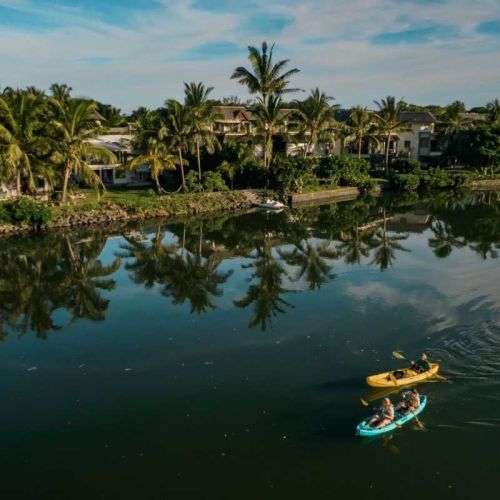
The west coast is a favorite in every Mauritius Travel Guide 2026 for its mix of adventure and relaxation. It is here that many travelers choose to swim with dolphins in Mauritius, a peaceful and respectful early-morning activity.
We also include visits to Casela Nature Park and Vallé Advenature Park, where families and adventure seekers can enjoy nature-based experiences in a well-organized environment.
This region combines mountains, beaches, and wildlife, making it one of the most diverse areas to explore with a guided approach.
East Coast Highlights in Mauritius Travel Guide 2026
Island Escapes and Lagoon Adventures
The east coast is known for its lagoons and island excursions, making it an essential part of any Mauritius Travel Guide 2026.
We organize unforgettable trips such as the 5 Islands speedboat tour in the East and the Ile aux Cerfs island speedboat tour, where you can relax on pristine beaches and swim in turquoise waters.
With proper planning, these excursions become seamless, allowing you to enjoy every moment without worrying about logistics or timing.
Top Things to Do in Mauritius With a Local Perspective
Following a structured Mauritius Travel Guide 2026 allows you to experience the most rewarding top things to do in Mauritius without feeling overwhelmed.
We recommend combining different types of experiences:
Coastal drives with scenic stops
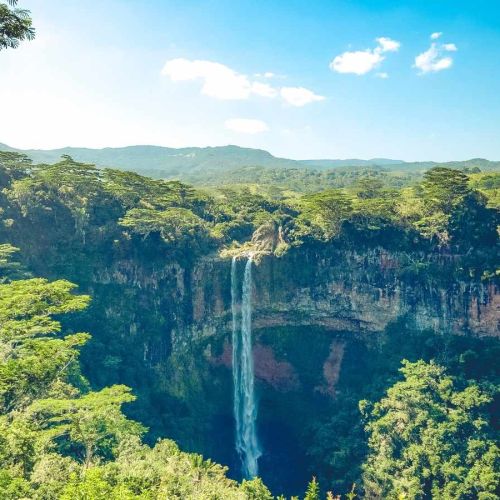
Visits to the best waterfalls in Mauritius hidden within lush forests
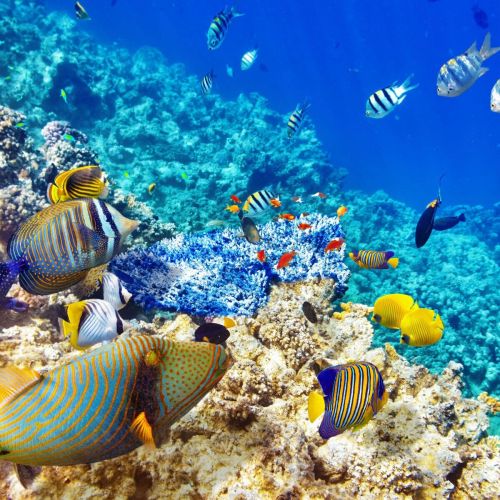
Exploring the best snorkeling spots in Mauritius for vibrant marine life
Cultural visits through guided tours
Relaxing beach moments between activities
This balance ensures your journey feels complete and enjoyable.
Signature Tours Featured in Mauritius Travel Guide 2026
Adventure and Nature Exploration
For those seeking adventure, the Chamarel Adventure Tour is a must. It includes waterfalls, unique landscapes, and panoramic viewpoints, making it one of the most rewarding inland experiences.
We also recommend hiking at Le Morne, where history and scenery combine, and hiking at Tamarind Seven Waterfalls, where each level reveals a new natural beauty.
Ocean-Based Experiences
The ocean plays a central role in every Mauritius Travel Guide 2026. Activities such as catamaran cruises in Mauritius offer a relaxing way to explore lagoons while enjoying local hospitality.
Snorkeling in the best snorkeling spots in Mauritius allows you to connect with marine life in a safe and guided environment.
Cultural Discoveries and City Life
A guided Port Louis City Tour brings you closer to the island’s cultural heart. Markets, historical buildings, and local life blend together, offering a deeper understanding of Mauritius beyond its beaches.
Hidden Gems Highlighted in Mauritius Travel Guide 2026
One of the most fascinating sights featured in our Mauritius Travel Guide 2026 is the Mauritius Underwater Waterfall, a natural optical illusion visible from above.
We also guide you to lesser-known beaches, quiet viewpoints, and scenic routes that are often missed by standard itineraries. These moments create a sense of discovery that makes your trip truly special.
Eco-Friendly Activities in Mauritius
Responsible travel is an important part of every Mauritius Travel Guide 2026. We encourage visitors to explore eco-friendly activities in Mauritius, such as hiking, nature reserves, and sustainable marine excursions.
These experiences allow you to enjoy the island while preserving its beauty for future generations.
Practical Tips for First-Time Visitors
A well-prepared traveler enjoys Mauritius even more. Here are 15 things to know for First-Time visitors in Mauritius:
Roads can be narrow and winding
Travel times vary depending on routes
Weather differs between regions
Local cuisine is diverse and worth exploring
Cultural respect is appreciated
Early bookings ensure availability
Guided tours save time and effort
Beaches vary greatly across coasts
Local drivers provide valuable insights
Carry small cash for convenience
Sun protection is essential
Weekends can be busy at popular sites
Comfortable shoes are recommended for nature visits
Ocean conditions change daily
A planned itinerary improves your experience
Activities & Tours in Mauritius Designed Around You
Every traveler has different expectations, and our activities & tours in Mauritius are designed to match your preferences. Whether you want a relaxed day by the beach or a full exploration across regions, we create a journey that feels natural and enjoyable.
With the right balance of planning and flexibility, your trip becomes smooth, memorable, and truly aligned with the spirit of the Mauritius Travel Guide 2026.
Final Thoughts on Mauritius Travel Guide 2026
Care, local knowledge, and thoughtful planning are essential for the best experience in Mauritius. Following a well-crafted Mauritius Travel Guide 2026 allows you to move effortlessly across the island, discovering both its iconic landmarks and hidden treasures.
We believe that every journey should feel personal, comfortable, and enriching. With the right guidance, every road in Mauritius leads to a new story, a new view, and a new memory worth keeping.